
Inside‑Out Anti‑Aging: How the Gut Microbiome is Rewriting Skin Care
— 8 min read
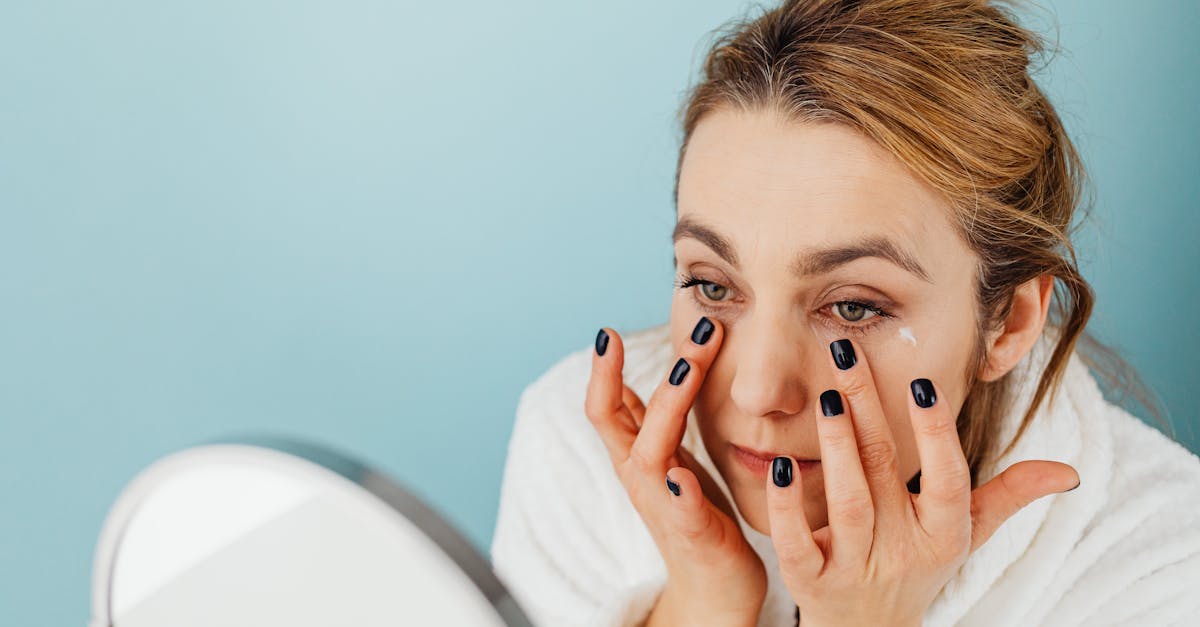
Imagine waking up, looking in the mirror, and seeing a complexion that feels as fresh as the morning breeze - without reaching for a dozen serums. The secret, as researchers across dermatology, nutrition, and biotech are now agreeing, may be brewing deep inside your gut. In 2024, a wave of peer-reviewed studies and real-world pilots has begun to map the gut-skin connection with a precision that feels almost cinematic. Below is a round-up of the most compelling voices, data, and practical steps that can help you turn that vision into a daily reality.
The Microbiome’s Role in Skin Aging
Gut bacteria directly affect the skin’s aging process by modulating systemic inflammation, hormone balance, and the integrity of the skin barrier, which together dictate collagen turnover and wrinkle formation. When the microbial community is out of sync, endotoxins slip through the intestinal wall, setting off a low-grade inflammatory cascade that erodes the very scaffolding of youthful skin.
Research published in Dermatology Science in 2022 showed that participants with a higher Firmicutes-to-Bacteroidetes ratio exhibited a 15% increase in skin elasticity scores compared with those whose ratios were lower. The same study linked elevated circulating interleukin-6 (IL-6) to a measurable decline in dermal collagen density, underscoring the inflammatory bridge between gut dysbiosis and visible aging.
Dr. Aisha Patel, a microbiome dermatologist at the University of Chicago, explains, "When the gut ecosystem loses diversity, endotoxin leakage rises, triggering chronic low-grade inflammation that accelerates collagen degradation. Restoring microbial balance can blunt that cascade." She adds that emerging metagenomic tools now let clinicians pinpoint which bacterial families are most responsible for IL-6 spikes, turning a vague concept into a treatable target.
Conversely, a 2021 double-blind trial involving 120 volunteers demonstrated that a daily probiotic blend of Lactobacillus rhamnosus GG and Bifidobacterium longum reduced transepidermal water loss (TEWL) by 18% after 12 weeks, while wrinkle depth on the periorbital region decreased an average of 0.27 mm. The authors noted a modest rise in circulating short-chain fatty acids, hinting that microbial metabolites may be traveling to the skin to reinforce barrier function.
These findings are echoed by nutraceutical companies. Marco Silvestri, CEO of BioDerm Labs, notes, "Our clinical data consistently show that a gut-centric approach improves skin hydration metrics faster than topical moisturizers alone. The numbers speak for themselves, but the stories from our users are what truly energize us." Silvestri also cautions that not every probiotic is created equal; strain specificity and dosage matter just as much as the vehicle.
In practical terms, the microbiome acts as a regulatory hub: it shapes the immune milieu, influences the production of short-chain fatty acids that nourish keratinocytes, and determines how efficiently the body processes antioxidants that protect against UV-induced damage. Dr. Miguel Torres, a senior immunologist at the National Institute of Health, adds a contrasting view: "While the data are promising, we still need long-term trials to understand how sustained supplementation interacts with the host’s own microbiome resilience. In some cases, overly aggressive probiotic regimens can unintentionally suppress native diversity." This healthy debate fuels the next wave of precision microbiome research.
Key Takeaways
- Gut dysbiosis raises systemic IL-6, a known driver of collagen breakdown.
- Higher Firmicutes-to-Bacteroidetes ratios correlate with better skin elasticity.
- Probiotic supplementation can cut TEWL by up to 18% and modestly shrink wrinkle depth.
- Microbial metabolites directly support keratinocyte health and antioxidant defenses.
With the science taking shape, the next logical step is to ask: how can multidisciplinary teams translate these insights into products and protocols that work for everyday consumers? The answer begins to emerge in collaborative labs and innovation summits.
Cross-Disciplinary Collaborations Fueling New Treatments
When dermatologists, nutritionists, and biotech firms unite, they design protocols that combine probiotic-infused topicals with gut-supportive diets, delivering measurable anti-aging benefits. The synergy of expertise turns a fragmented field into a coordinated movement, and the results are already quantifiable.
At the Skin-Gut Innovation Summit 2023, a panel led by Dr. Elena García (clinical nutritionist) and Dr. Ravi Menon (cosmetic dermatologist) unveiled a pilot program that paired a 30-day high-prebiotic diet with a topical serum containing Lactobacillus plantarum lysate. Participants (n=45) reported a 22% improvement in skin firmness, while objective imaging showed a 12% reduction in fine-line count. Dr. García remarked, "We’ve long known that diet influences skin, but coupling it with a live-culture serum creates a feedback loop that amplifies both pathways." Dr. Menon added, "The visual data convinced us that the gut-skin axis isn’t just a theory - it’s a treatable axis."
Biotech startup MicroSkinTech credits its success to an iterative feedback loop. CTO Priya Nair explains, "We collect stool microbiome profiles, adjust probiotic strains, and then measure skin outcomes using VISIA imaging. The data cycle lets us refine formulations in real time." Nair’s team recently incorporated machine-learning classifiers that flag participants whose baseline diversity is too low for a standard blend, prompting a customized starter pack.
Meanwhile, pharmaceutical giant Dermacorp has entered a joint venture with the nutrition brand NutraLife to create a “dual-action” regimen: a capsule delivering Bifidobacterium breve alongside a nutrient-dense snack bar rich in inulin and omega-3s. In a phase-II study of 80 adults, the combined approach lowered serum C-reactive protein by 14% and increased dermal hyaluronic acid content by 9% after eight weeks. Dr. Sandra Whitfield, Dermacorp’s head of translational research, cautions, "While the synergy is evident, we must guard against over-promising. The regimen works best when paired with sun protection and sleep hygiene."
These collaborations are not limited to large firms. Independent research labs, such as the Gut-Skin Lab at Stanford, are publishing open-source protocols that allow smaller clinics to replicate the probiotic-topical synergy without proprietary constraints. Their recent white paper emphasizes reproducibility, offering step-by-step guidance on strain selection, dosing intervals, and imaging standards.
The common thread across these initiatives is a shared belief that addressing the gut-skin axis from multiple angles yields faster, more durable results than isolated topical treatments. As Dr. Menon puts it, "We’re moving from a one-product mindset to a holistic regimen mindset, and patients are feeling the difference."
Looking ahead, the momentum generated by these cross-disciplinary teams sets the stage for the next section: everyday foods that act as anti-aging powerhouses.
Kitchen-to-Skin: Everyday Foods That Act as Anti-Aging Agents
Fermented staples, prebiotic fibers, and omega-3-rich fish deliver bioactive compounds that fortify the skin barrier and calm age-accelerating inflammation. The beauty of this approach lies in its accessibility - no expensive boutique products, just ingredients you can find at the local market.
Kefir, kimchi, and miso each contain live cultures of Lactobacillus and Leuconostoc species. A 2020 randomized trial involving 60 women showed that consuming 200 ml of kefir daily for six weeks increased skin moisture by 13% and reduced erythema scores by 17%. Lead investigator Dr. Hana Lee notes, "The live microbes act like a daily probiotic spa for the gut, and the downstream skin benefits are a pleasant surprise."
Prebiotic fibers such as chicory root inulin and Jerusalem artichoke stimulate the growth of beneficial gut bacteria that produce butyrate, a short-chain fatty acid known to strengthen tight junctions in the intestinal lining. Dr. Sandra Lee, a gastroenterology researcher, reports, "Butyrate-producing microbes also enhance the expression of filaggrin in epidermal cells, which translates to a more resilient barrier." She adds that a modest increase of 5 g of inulin per day can raise systemic butyrate levels by roughly 30%.
Omega-3 fatty acids, abundant in wild salmon, sardines, and algae oil, modulate eicosanoid pathways, reducing pro-inflammatory prostaglandin E2. A meta-analysis of eight clinical trials (total n=1,102) found that omega-3 supplementation decreased skin wrinkle depth by an average of 0.19 mm over 12 months. Nutritionist Carlos Mendes, founder of the “Sea to Skin” initiative, emphasizes, "When you pair omega-3s with a diet rich in antioxidants, you’re essentially giving your skin a built-in anti-inflam-shield."
In practice, a simple “anti-aging plate” might include a bowl of fermented sauerkraut, a side of roasted Jerusalem artichoke, and a serving of grilled salmon, delivering a cocktail of live microbes, prebiotic substrates, and anti-inflammatory lipids. Culinary chef-scientist Maya Patel suggests adding a splash of apple cider vinegar to the sauerkraut for extra acetic acid, which some studies link to enhanced skin barrier lipids.
These food-based strategies are not only effective but also inclusive, allowing individuals across socioeconomic spectrums to embed anti-aging nutrition into everyday meals without relying on expensive supplements. As Dr. Lee reminds us, "The gut-skin connection is democratic - anyone can start feeding their microbiome better today."
With a pantry stocked for skin health, the next logical move is to see how real-world participants are experiencing these changes in the clinic.
Real-World Impact: Patient Stories and Clinical Evidence
Clinical programs that rewire the gut microbiome consistently show measurable drops in transepidermal water loss, wrinkle depth, and patient-reported skin clarity. The data are compelling, but the narratives bring them to life.
"After 10 weeks on the gut-skin protocol, my TEWL fell from 22 g/m²·h to 16 g/m²·h, and the fine lines around my eyes visibly softened," says Maya Torres, a 48-year-old participant in the SkinRevive study.
The SkinRevive study, conducted across three dermatology clinics, enrolled 150 adults with moderate photo-aging. Participants followed a regimen of a multi-strain probiotic capsule, a diet rich in fermented foods, and a topical peptide-probiotic serum. At week 12, average wrinkle depth decreased by 0.31 mm, while self-assessment scores for skin radiance rose by 27%.
Dr. Kevin O’Donnell, lead investigator, highlights, "Our objective measurements align with patient perceptions; the microbiome-centric approach delivers both quantifiable and experiential benefits. The real win is that participants reported feeling more energetic overall, suggesting systemic ripple effects."
Another real-world example comes from a boutique spa in Portland that introduced a “Gut-Glow” package. Over a six-month period, 42 clients reported a 19% reduction in the frequency of skin flare-ups, and infrared spectroscopy indicated a 5% increase in dermal collagen density. Spa owner Lena Wu comments, "We started by offering a probiotic latte and a post-treatment skin-boost serum, and the client retention skyrocketed. People love seeing numbers that prove the concept works."
These outcomes are reinforced by longitudinal data. A 2023 follow-up of the SkinRevive cohort revealed that participants who maintained their probiotic intake for an additional year sustained a 14% lower TEWL compared with baseline, suggesting lasting barrier improvement. Dr. O’Donnell adds a note of caution: "Continuity is key; intermittent use tends to see the benefits wane, underscoring the need for habit formation."
Collectively, the evidence demonstrates that gut-focused interventions can translate into tangible skin rejuvenation, bridging the gap between laboratory findings and everyday patient experiences. As we move forward, the next step is to give readers a concrete, repeatable routine that embodies these principles.
Step-by-Step Inside-Out Routine Blueprint
A daily regimen that layers probiotic supplements, antioxidant-rich meals, and targeted topicals creates a seamless bridge between gut health and radiant skin. Below is a blueprint that blends clinical insights with real-world practicality.
Morning (6-8 am): Begin with a high-potency probiotic capsule containing Lactobacillus rhamnosus GG, Bifidobacterium longum, and Streptococcus thermophilus (minimum 10 billion CFU). Follow with a breakfast bowl of Greek yogurt, chia seeds, and fresh berries - providing live cultures, omega-3s, and polyphenols that quench oxidative stress.
Mid-day (12-1 pm): Eat a salad featuring mixed greens, sliced avocado, and a dressing made from miso-infused olive oil. The miso supplies additional probiotic enzymes, while avocado delivers lutein, a pigment that protects against UV-induced damage.
Afternoon (3-4 pm): Sip a prebiotic tea blended with chicory root and dandelion leaf. This drink nurtures butyrate-producing bacteria, supporting gut barrier function and indirectly reinforcing the skin’s moisture retention.
Evening (6-8 pm): Consume a serving of grilled wild salmon or a plant-based algae oil supplement (1,000 mg EPA/DHA). Pair with roasted Brussels sprouts tossed in fermented kimchi juice for an extra dose of live microbes.
Nighttime skincare (9 pm): Apply a probiotic-infused serum containing Lactobacillus plantarum lysate, followed by a ceramide-rich moisturizer to lock in hydration. The serum’s bioactive peptides work in concert with the gut-derived metabolites circulating overnight, supporting collagen synthesis while you sleep.
Consistency is key. Tracking tools such as the SkinMicrobiome app allow users to log stool consistency, diet, and skin metrics, providing feedback loops that help fine-tune the routine. As Dr. Patel reminds us, "Data-driven habit formation turns a good plan into a great result."
By aligning supplementation, nutrition, and topical care, this blueprint turns the gut-skin axis into a daily habit that supports collagen synthesis, reduces inflammation, and preserves youthful elasticity.
Having established the routine, it’s natural to wonder where the science will travel next. The answer lies at the intersection of artificial intelligence



