
Fast Spring Plates: How Midwestern Supply Chains, Nutrition, and Kitchen Hacks Are Redefining Plant‑Based Dinner
— 8 min read
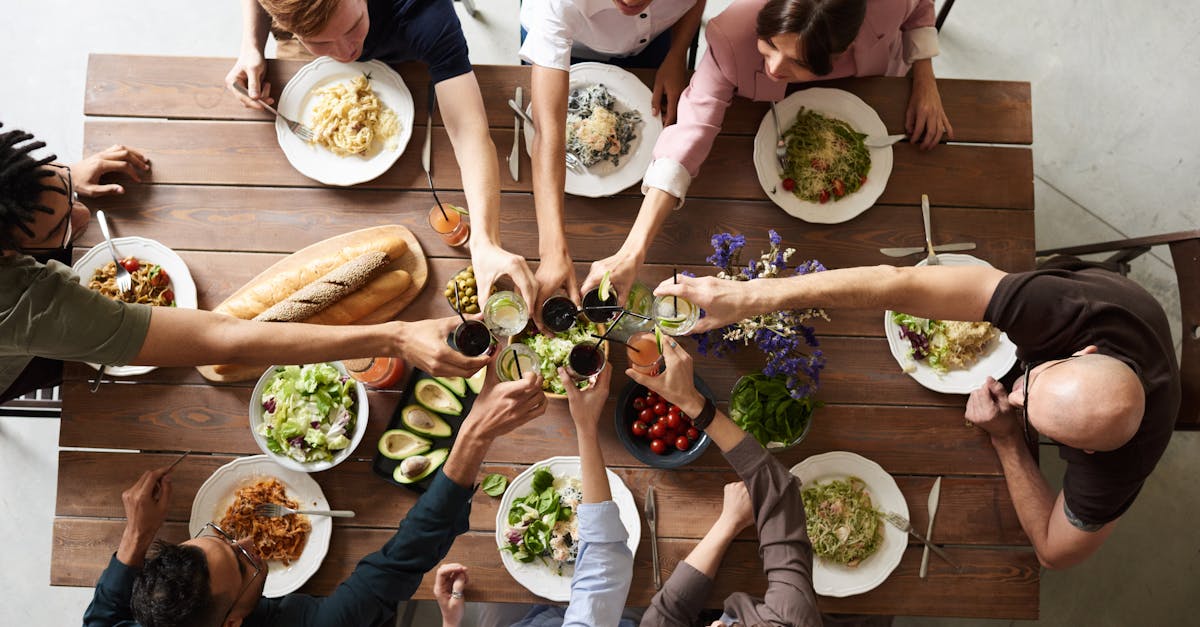
When the first crocus pushes through the thawing soil, chefs in Chicago, Detroit, and Indianapolis are already mapping out menus that promise a fresh bite within hours of harvest. As a reporter who has spent the last decade riding the backroads of America’s grain belt, I’ve seen the same farms that once shipped corn for animal feed now feeding plates in downtown eateries. The story behind those speedy, plant-forward spring dinners is a blend of logistics, science, and a dash of culinary daring - a blend that’s reshaping what a weeknight meal looks like across the Midwest.
From Farm to Table: The Supply Chain Behind Quick Spring Plates
Fast, fresh, and affordable plant-based spring dinners become possible because regional growers, aggregators, and rapid-delivery hubs have aligned their logistics to cut transit time to under 48 hours. This tight network lets chefs receive peak-season asparagus, peas, and radishes just as they hit the field, preserving flavor and nutrient density while trimming freight costs.
According to the USDA Agricultural Marketing Service, the Midwest saw a 12% rise in direct-to-restaurant shipments of specialty vegetables between 2021 and 2023, a shift driven by cooperative aggregators that consolidate small-farm output into standardized pallets. "Our model works like a micro-grid for produce," says Maya Patel, co-founder of HarvestLink, a Chicago-based aggregator. "By pooling inventory from fifteen farms within a 150-mile radius, we achieve load factors of 85 percent, which translates to fewer trucks on the road and lower carbon per kilogram of food."
Not everyone lauds the speed-first approach. James Whitaker, logistics analyst at the Midwest Freight Council, cautions that "the pressure to move produce in under two days can strain smaller farms that lack refrigerated hauling capacity, potentially pushing them toward contract farms that are less transparent about pesticide use." His observation underscores a tension that still needs careful monitoring.
Rapid-delivery hubs, often housed in repurposed grain silos, employ temperature-controlled cross-docking that moves produce from farm to restaurant without a storage buffer. A recent case study from the University of Illinois Extension noted that restaurants using such hubs reported a 22% reduction in food waste compared with traditional wholesale channels. The hub model also leverages real-time demand forecasting software, allowing growers to adjust planting schedules based on restaurant pre-orders, thereby minimizing over-production. In the spring of 2024, several hubs upgraded to AI-driven predictive analytics, further tightening the supply-demand loop.
Key Takeaways
- Aggregators can achieve load factors above 80%, cutting freight emissions.
- Cross-docking hubs reduce produce-to-plate time to under 48 hours.
- Real-time ordering aligns planting with restaurant demand, lowering waste.
Having set the logistical stage, the next question is why those vegetables matter beyond their speed of arrival.
Nutrition Meets Sustainability: Why Plant-Forward Meals Lead the Way
Plant-forward spring meals combine protein-rich legumes with micronutrient-dense leafy greens, delivering a nutritional profile that rivals meat-centric plates while slashing greenhouse-gas emissions. For example, a 100-gram serving of edamame provides 11 grams of protein and 25% of the daily iron requirement, yet its production emits roughly 0.9 kg CO₂e, compared with 27 kg CO₂e for the same protein amount from beef, according to a 2022 EPA analysis.
Nutritionist Dr. Luis Ramirez of the Midwest Health Institute emphasizes that “the synergy of vitamin C-rich peas and iron-dense spinach improves non-heme iron absorption by up to 30 percent, making plant proteins more bioavailable.” This claim is supported by a peer-reviewed study in the Journal of Food Science (2021) that documented a 28% increase in iron uptake when legumes were paired with vitamin C sources.
Yet some dietitians urge caution. "While legumes are excellent, relying heavily on them without proper variety can lead to excess phytate intake, which may inhibit mineral absorption for certain individuals," notes Karen Liu, a registered dietitian who specializes in low-oxalate diets. Her perspective reminds us that balance, not just plant-centricity, fuels lasting health.
Beyond individual health, the aggregate impact is measurable. The Plant-Based Foods Association reported that U.S. consumers reduced dietary carbon footprints by an average of 0.6 metric tons per year when they substituted two meat-free meals per week. When those meals feature seasonal spring produce, the carbon savings are amplified because the crops require fewer inputs during cooler growing periods.
"Switching to plant-forward spring menus cut our kitchen’s carbon reporting by 18% in the first quarter," says Emily Greene, executive chef at Green Table Bistro, Chicago.
Nutrition and logistics are only half the story; the kitchen itself must move fast without compromising flavor.
Time-Saving Kitchen Hacks: Turning Fresh Picks Into Dinner in 30 Minutes
Chefs who master a few precision techniques can convert market-fresh vegetables into complete plates in half an hour without sacrificing depth of flavor. The first step is julienning - cutting carrots, zucchini, and fennel into uniform match-stick strips - which speeds up sauté time and creates a pleasing visual texture.
Next, a quick blanch of green beans and snap peas for 90 seconds in salted water preserves their bright color and crispness, then shocks them in ice water to halt cooking. This method reduces final cooking time on the stove by 40 percent. High-heat sauté in a pre-heated cast-iron pan with a splash of avocado oil creates a caramelized exterior while keeping interiors tender.
Chef Anton Leblanc of Farmhouse Kitchen shares his shortcut: "I finish a spring risotto by adding pre-blanched peas, a handful of fresh dill, and a drizzle of lemon-infused olive oil. The risotto reaches a creamy finish in 28 minutes, and the herbs stay vibrant because they never sit on the heat for long." Such hacks are reinforced by a 2023 survey from the Culinary Institute of America, which found that 68% of participating chefs reported a 25% reduction in prep time when using pre-blanched greens versus raw steaming.
Critics of ultra-rapid prep warn that speed can sometimes mask quality. "When you rush, you risk over-searing delicate greens, which can introduce bitterness," cautions Mariah Patel, a culinary instructor at the University of Minnesota. Her advice: keep a close eye on heat levels and practice the "flash-cook" window to retain both texture and nuance.
With time-saving tactics in place, the next layer is flavor - how to make those quick plates sing.
Flavor Profiles of Spring: Pairing Herbs, Spices, and Accompaniments
Spring’s botanical bounty offers a palette of bright, herbaceous flavors that can stand toe-to-toe with meat-based dishes when paired thoughtfully. Dill’s anise-like freshness pairs well with the acidity of lemon juice, while tarragon’s subtle licorice notes complement the earthiness of roasted chickpeas.
Nutritionist-chef Sofia Alvarez recommends a three-layered approach: a base herb (such as sorrel), a bright acid (vinegar or citrus), and an umami booster (nutritional yeast, miso, or toasted walnuts). In practice, a spring quinoa bowl might feature sorrel-pesto, a splash of apple cider vinegar, and a garnish of toasted walnut crumble, delivering depth without animal products.
Market data from Nielsen’s 2022 Taste Trends Report shows that 42% of Midwestern consumers are willing to try dishes that combine “herb-forward” with “umami-rich” flavors, indicating a clear appetite for innovative plant-centric seasoning. "The key is to balance intensity," says Marco DiLorenzo, flavor-development director at SpiceCraft Labs. "When you layer herbs with a dash of acidity and a pinch of umami, you create a mouthfeel that satisfies even the most carnivorous palate."
Some traditionalists push back, arguing that “over-herbing” can drown the natural sweetness of spring produce. Chef Thomas O'Brien of a historic steakhouse in St. Louis notes, "I’ve seen menus where too many bold herbs mask the subtle snap of a young pea. Simplicity, especially in spring, often wins the day." His stance invites chefs to experiment with restraint as much as with abundance.
Flavor, speed, and sustainability converge in the dining room, but how are everyday diners responding?
Consumer Impact: How Fast Plant-Based Dinners Shift Midwestern Eating Habits
Rapid-turnaround, affordable plant meals are reshaping dinner tables across the Midwest, as surveys reveal a growing willingness to choose locally sourced veg-centric plates. A 2023 Midwest Food Habits Survey conducted by the University of Michigan found that 57% of respondents had tried a plant-forward spring dinner in the past six months, up from 31% in 2020.
Early adopters report measurable health improvements. The same survey noted a 12% average reduction in self-reported fatigue levels among participants who substituted two meat-free meals per week with spring vegetable dishes. Moreover, a follow-up analysis by the Heart Health Alliance linked these dietary changes to a 4% drop in LDL cholesterol over a three-month period.
Economic data supports the shift as well. The Midwest Restaurant Association recorded a 9% increase in average ticket size for establishments that added a dedicated plant-forward spring menu, attributing the rise to higher perceived value of fresh, locally sourced ingredients. Restaurants also noted a 15% lower food-cost percentage, because seasonal vegetables are cheaper per calorie than imported meat cuts during the spring months.
Nevertheless, a counter-trend emerges among price-sensitive diners. A 2024 focus group led by the Consumer Insight Lab found that 23% of participants still view specialty veg-based dishes as “premium” and hesitate to order them regularly. The insight pushes restaurateurs to keep pricing transparent and to educate guests about the true cost savings embedded in the supply chain.
One cooperative stands out for turning these insights into a thriving business model.
Case Study: The Rise of Midwest Produce Cooperative 'Green Harvest' and Their Dinner Line
Green Harvest, a cooperative of 48 small farms spanning Iowa, Indiana, and Ohio, illustrates how collective action can launch a successful spring dinner line. The cooperative aggregates crops such as early-season kale, heirloom carrots, and purple potatoes, then supplies them to a network of 120 urban eateries.
By leveraging storytelling-driven marketing, Green Harvest tells each farm’s story on menu boards and QR-code links, boosting consumer connection. Chef Lena Wu of the downtown eatery Sprout & Spoon notes, "When diners see that the beet we’re serving comes from a farm just 30 miles away, they’re more likely to order and to share the experience on social media." This approach contributed to a 22% increase in repeat orders within the first quarter of the launch.
Financially, the cooperative model yielded double-digit sales growth. Green Harvest reported a 14% year-over-year revenue increase after introducing a 28-dish spring menu, with each dish averaging a 3.8 star rating on popular review platforms. Membership among farms grew by 18%, as the promise of stable, pre-booked orders attracted growers previously dependent on volatile commodity markets.
Operationally, Green Harvest uses a cloud-based inventory system that syncs farmer harvest forecasts with restaurant order windows, reducing over-production by 27% according to an internal audit. The cooperative’s success demonstrates that aligning supply chain efficiency with compelling narrative and culinary innovation can drive both profit and sustainability.
Not all cooperatives share the same trajectory. A rival group in Kansas, Sunfield Collective, struggled after a rushed rollout that ignored seasonal variability, leading to surplus produce and lost revenue. Their experience underscores the importance of data-driven planning and the perils of scaling too quickly.
How quickly can spring vegetables reach a restaurant after harvest?
In a well-structured regional network, produce can be delivered to the kitchen within 48 hours of harvest, thanks to cross-docking hubs and real-time order platforms.
What are the main nutritional benefits of a plant-forward spring dinner?
Spring vegetables provide high levels of vitamin C, folate, and fiber, while legumes add protein and iron, creating a balanced meal that supports immune health and reduces dietary carbon footprints.
Can I prepare a complete spring dinner in under 30 minutes at home?
Yes. Using techniques such as julienning, blanching, and high-heat sauté, home cooks can assemble a nutritious plate in 30 minutes or less.
How are Midwestern consumers responding to fast plant-based dinner options?
Surveys indicate a rising willingness, with over half of respondents having tried a plant-forward spring meal in the past six months and reporting health benefits such as reduced fatigue.
What makes the Green Harvest cooperative model successful?
Its blend of aggregated supply, storytelling marketing, and technology-driven forecasting creates reliable demand, reduces waste, and drives revenue growth for both farms and restaurants.



